Streamers subject to new state taxes on their monthly subscriptions with both too much and too little notice.
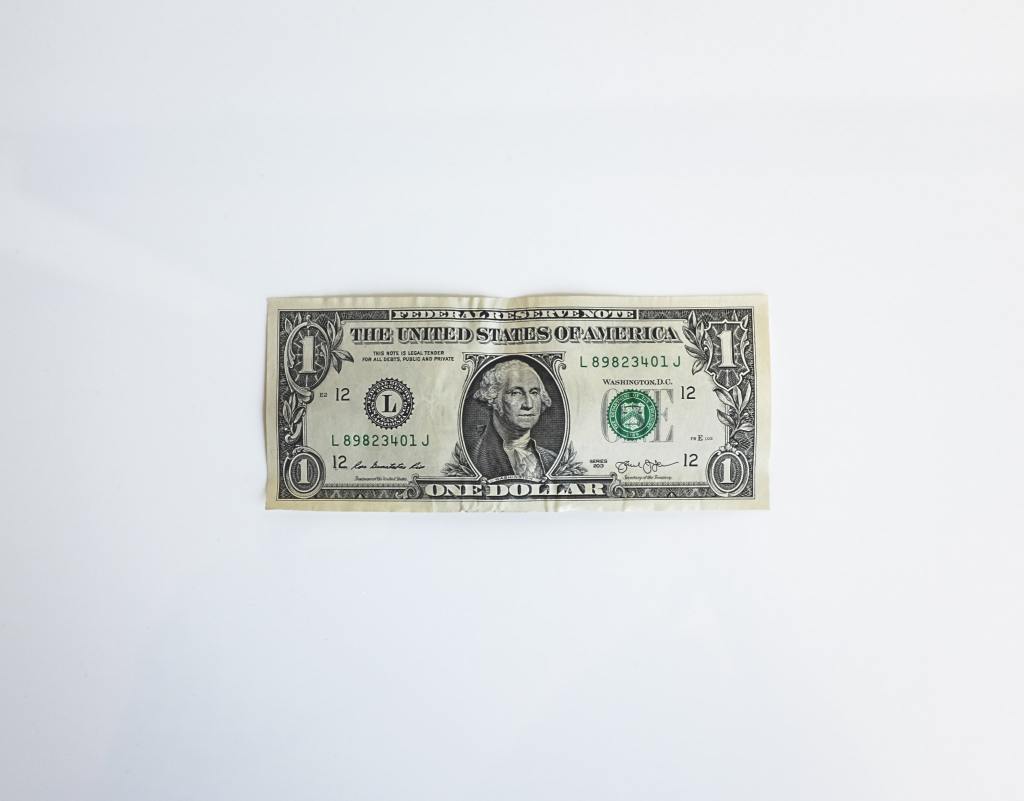
CNBC has recently released information on the price rises of existing streaming platforms like Netflix, Hulu, and even Spotify, but this information is too little too late as I personally have been paying these dues since December.
Unlike the many who have only now seen through the guise of these automatic transactions, I’ve been staring at my bank account every midnight my Hulu payment turns in waiting for the number to reverse to what it once was. I’ll admit, 12.38 isn’t a far cry from 11.99, but it’s different enough to catch my attention.
While these price increases are vaguely referred to in the terms and conditions we read so thoroughly, they aren’t under the jurisdiction of the services themselves. These are state taxes that come into the night and change extra cents on your debit card transactions—but where CNBC writer, Greg Iacurci, suggests that these changes won’t come into real effect until the “near future” my bank, and so many others, argue otherwise.
An article released by Forbes includes similar warnings of taxes like these back in 2016, and others like it are sprinkled across the next three years,if not earlier. It’s evidence that, while this topic is hardly news, little has been said about the variable increase directly from the platforms themselves. For services that seem to cry the second your card bounces back on a charge, they’ve arguably done a piss-poor job at telling you what exactly they are charging you, even if it’s not them. The internet provided me with little information in my search on “hulu is charging me 39 cents more, what gives?” yet political twitter doesn’t mind explaining what I don’t know only after my priorities have shifted.
“Movie theaters charge a tax, and Netflix should be treated the same,” Connecticut Governor, Net Lamont, is quoted by CNBC as a means to explain the evolution of taxation from truly tangible goods to the intangible of the internet. After all, we graciously pay taxes on Amazon purchases despite the brand (originally) lacking a storefront, so why shouldn’t the streaming site come in hand with that?
I argue that it’s not earned.
When I justify the added dollar on my one item Dollar Tree trip, I remind myself that this store is ultimately on state land along with all the governmental things that allowed me to go into a store where everything is truly a dollar. To see it on a Hulu charge just isn’t the same. What did my current state of residence do to provide me with this service that the previous didn’t? What meta justification are they looking for? There’s already taxes on cable and internet and other more utility-like entities that are justifiable in this tangible existence. Netflix, a phenomena to which they had little to no part in creating, doesn’t need this embarrassment.
Also, not to call out the Governor of Connecticut or anything, but in no way is a movie theatre comparable to the screening experience of a streaming platform. The price of an AMC ticket is more than the basic plans for almost every service, and Hulu does not socially require that I shower before watching.
As you recall the times you did go out to a movie theatre without a shower, be sure to subscribe to the blog to get the latest updates of complaints at a moments notice all from the comfort of your sinking couch.
 THE SINKING COUCH